Brake Fluid what is it and why should It be changed?
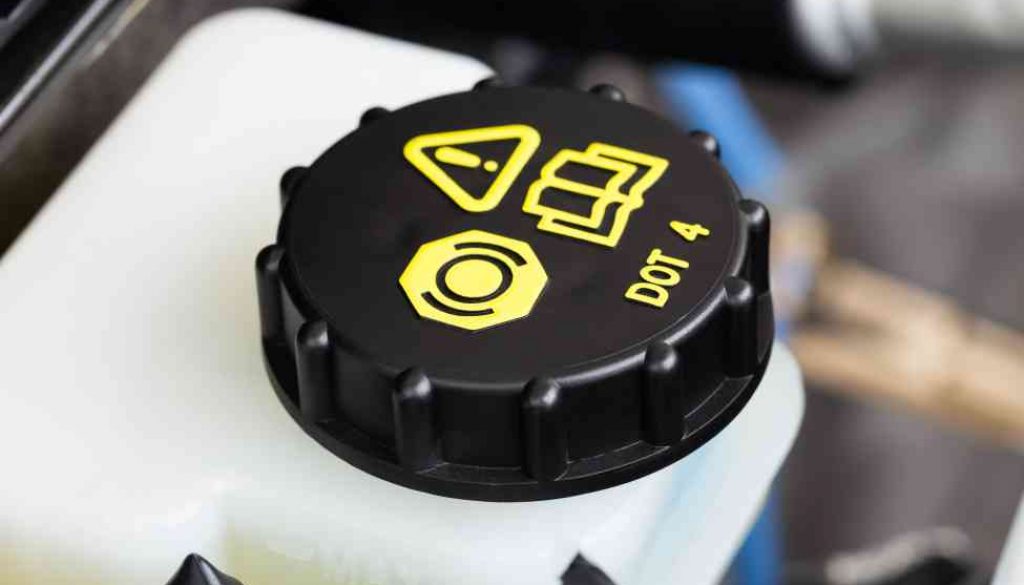
Brake fluid is a hydraulic fluid responsible for transferring the force from your foot on the brake pedal to the brake calipers at the wheels.
When you brake, the fluid pushes pressure through to the brake lines and into components such as callipers and wheel cylinders, which then in turn press the brake pads or shoes onto the brake discs or drums enabling you to slow down or come to a stop.
However, that’s not all its features Brake fluid also helps protect internal parts of your braking system from rust and corrosion while acting as a lubricant of key seals and components
Brake fluid is hygroscopic, meaning it readily absorbs moisture from the atmosphere, even though tiny gaps in hoses or seals. This absorption occurs overtime. As moisture levels rise, air bubbles are created causing the brakes to lose their effectiveness which can lead to spongy brakes, longer stopping distances and potential brake failure.
Brake fluid is designed with a high boiling point to handle the immense heat generated during heavy or prolonged braking. When water content is present it dilutes the brake fluid causing it to be less effective and making it harder for you to stop the vehicle.
When should brake fluid be changed:
Because of the inevitability of moisture absorption, brake fluid replacement is a time-based maintenance procedure, independent of mileage. Most vehicle manufacturers recommend changing the brake fluid every two to three years. This interval ensures the Brake fluid’s boiling point remains above the minimum safety standards and that the corrosion inhibitors have not been fully depleted.
Regular brake fluid changes are essential for healthy car maintenance. It ensures optimal braking performance, prolonging your braking systems life and ultimately your safety on the road.
Though it may look like a minor component, brake fluid is the unseen force making every safe stop possible.